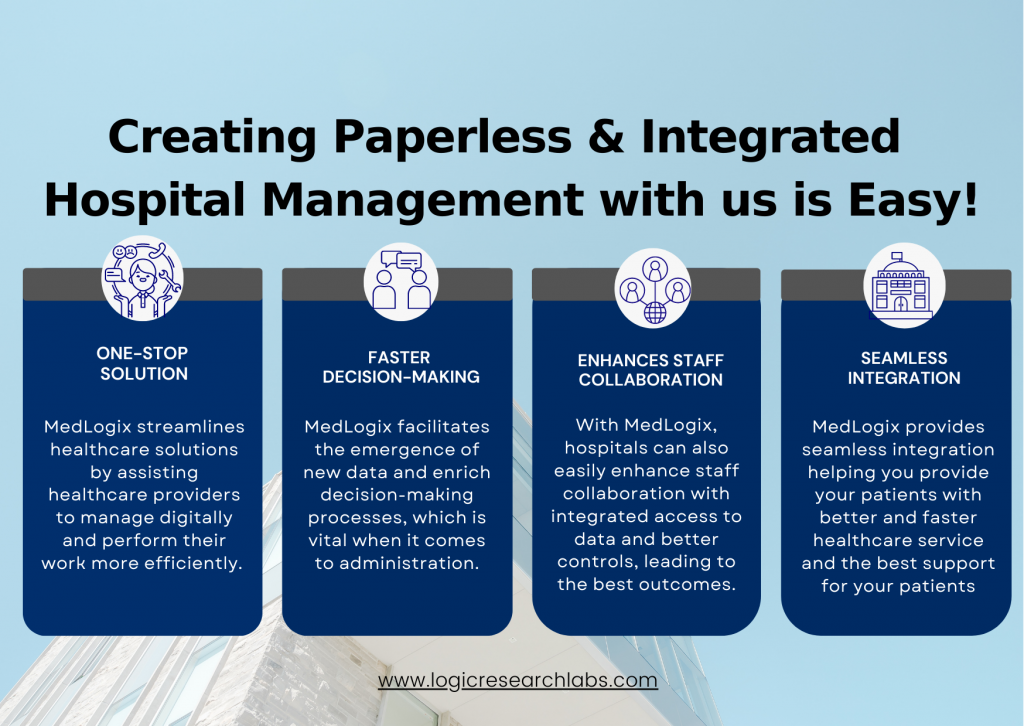
Running a paediatric hospital is unlike managing any other healthcare facility. Every child requires age-specific care, medication precision, vaccination tracking, and constant family involvement. Traditional hospital management systems (HMS) are designed for general hospitals, often overlooking these critical needs.
That’s why a specialized HMS for paediatric hospitals is not just a technology upgrade—it’s a business necessity. By investing in a tailored solution, you gain smoother workflows, safer treatment protocols, happier families, and measurable growth in your hospital’s reputation and revenue.
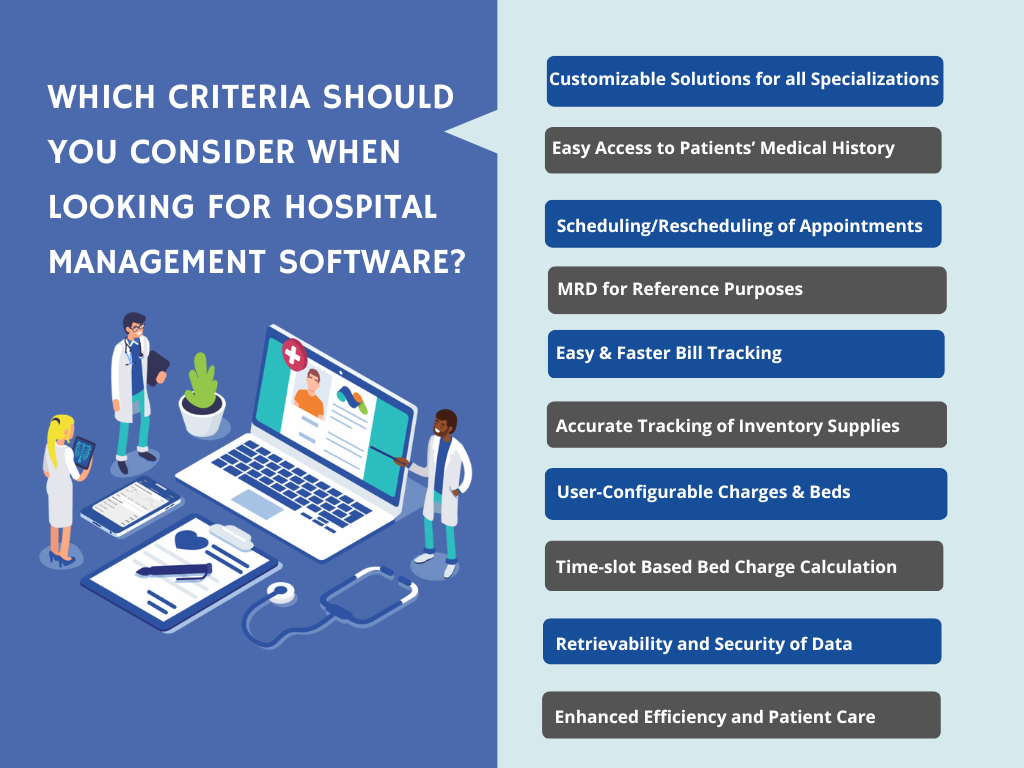
🩺 Key Features of a Paediatric EMR
- Growth & Development Tracking
- Immunization Management
- Paediatric Templates & Notes
- Allergy & Sensitivity
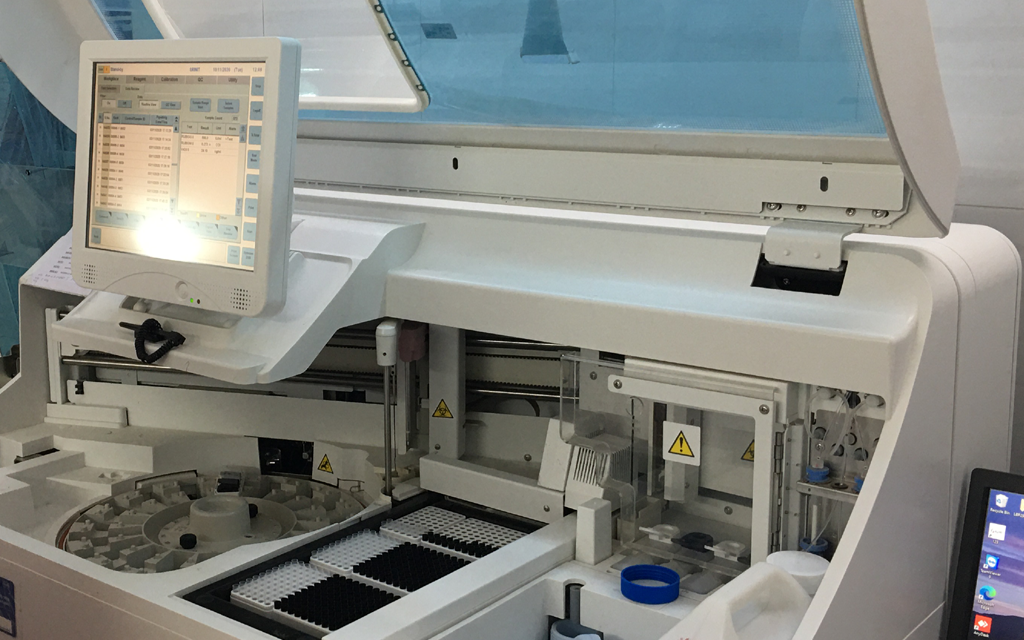
- Lab & Radiology Integration
- Chronic Condition Management
- Emergency & NICU Support
- Reporting & Analytics
Benefits You Can’t Ignore
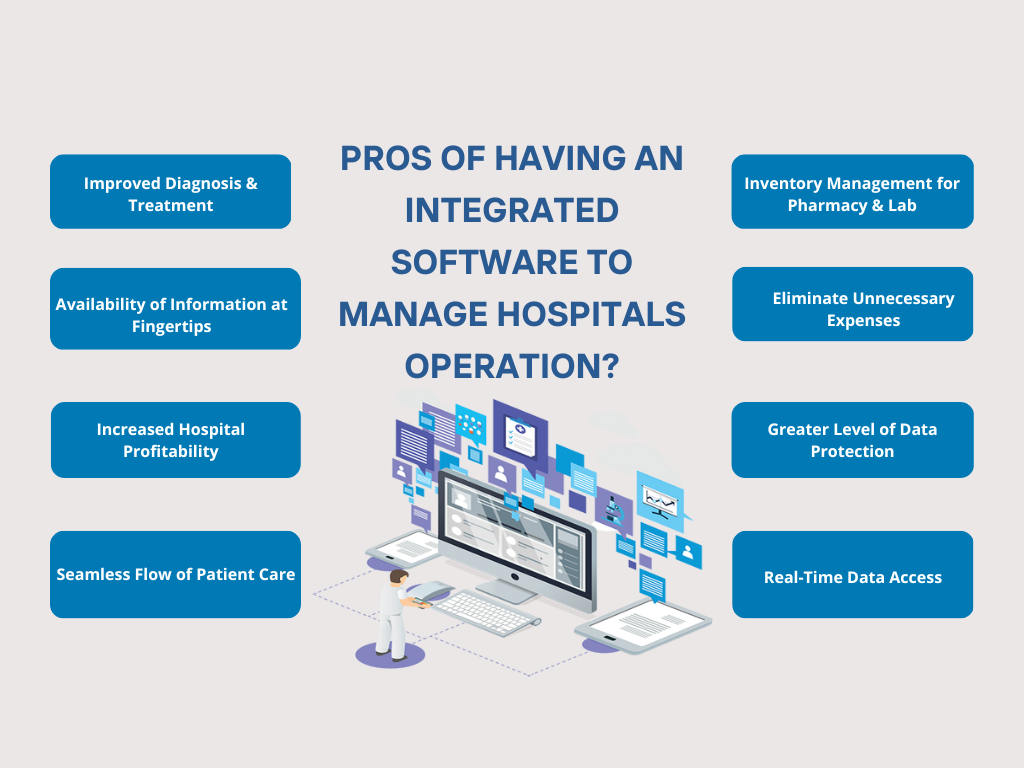
When you choose a paediatric-focused HMS, you’re not just investing in software—you’re investing in business growth:
- Increase Patient Retention: Parents trust hospitals that prioritize safety and transparency.
- Reduce Costs: Minimize errors, paperwork, and redundant staff hours.
- Boost Brand Reputation: Being known as a “child-friendly hospital” attracts more families.
- Faster ROI: Many hospitals recover their investment within the first year through operational efficiency and increased patient volume.
How Specialized HMS Transforms Paediatric Hospitals
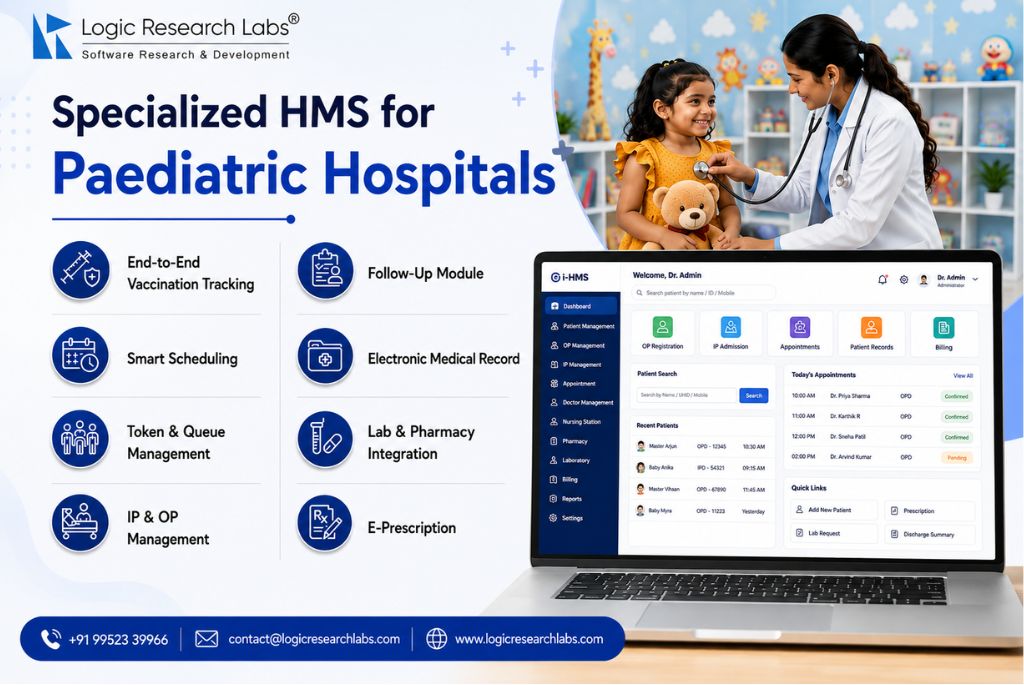
End-to-End Vaccination Tracking
Digital vaccine schedules with SMS/email reminders keep parents engaged and compliant.
Smart Scheduling
Paediatric-friendly appointment slots, follow-up reminders, and reduced wait times improve patient satisfaction.
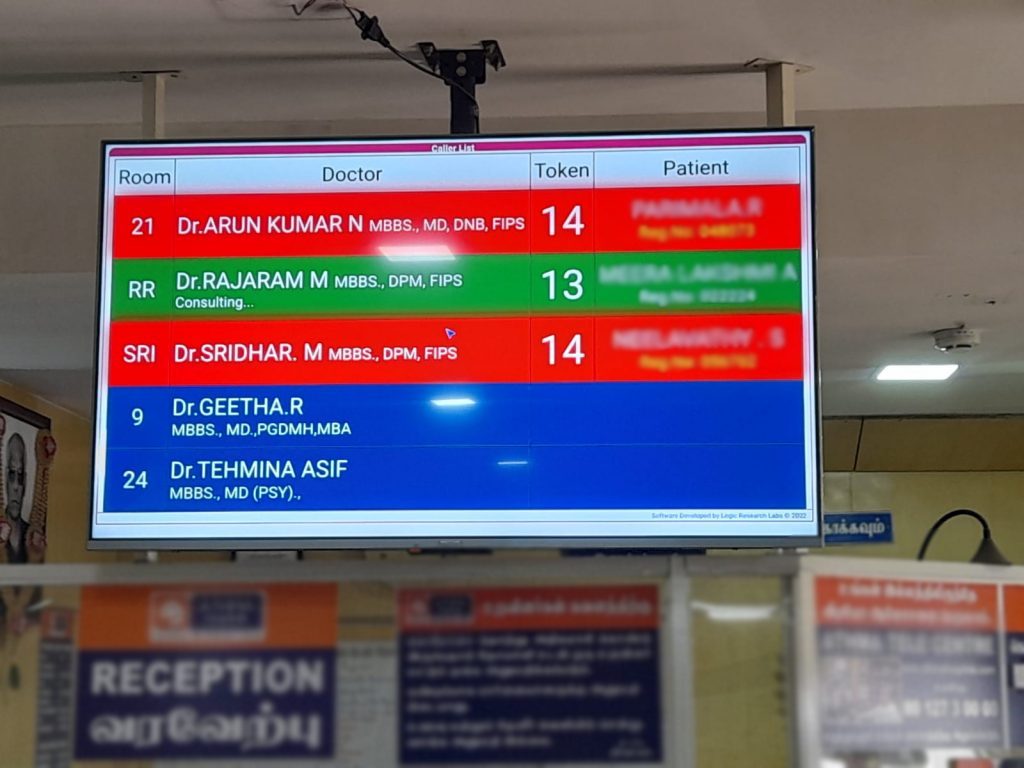
Token & Queue Management
Reduce patient frustration with digital token systems that streamline OP registrations and waiting times.
IP & OP Management
Handle inpatient and outpatient workflows efficiently with dedicated paediatric modules. From admissions to discharge summaries, everything is digital and error-free.
E-Prescription
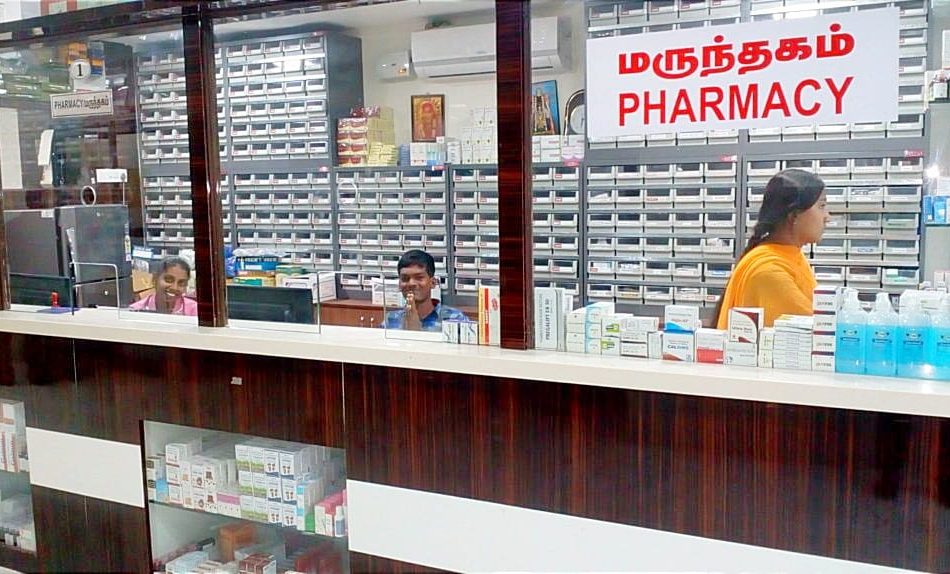
Digital prescriptions with pediatric-safe drug libraries. Auto-share with pharmacy module for error-free dispensing.
Follow-Up Module: Automatic scheduling for vaccination visits and well-baby checks SMS/Whatsapp reminders for parents.
EMR (Electronic Medical Records)
Maintain paediatric-specific records with growth charts, immunization tracking, and developmental milestones—helping doctors deliver precise care.
Lab & Pharmacy Integration
Seamless integration ensures lab results and pharmacy dispensing are faster and more accurate, reducing turnaround time and medication errors.
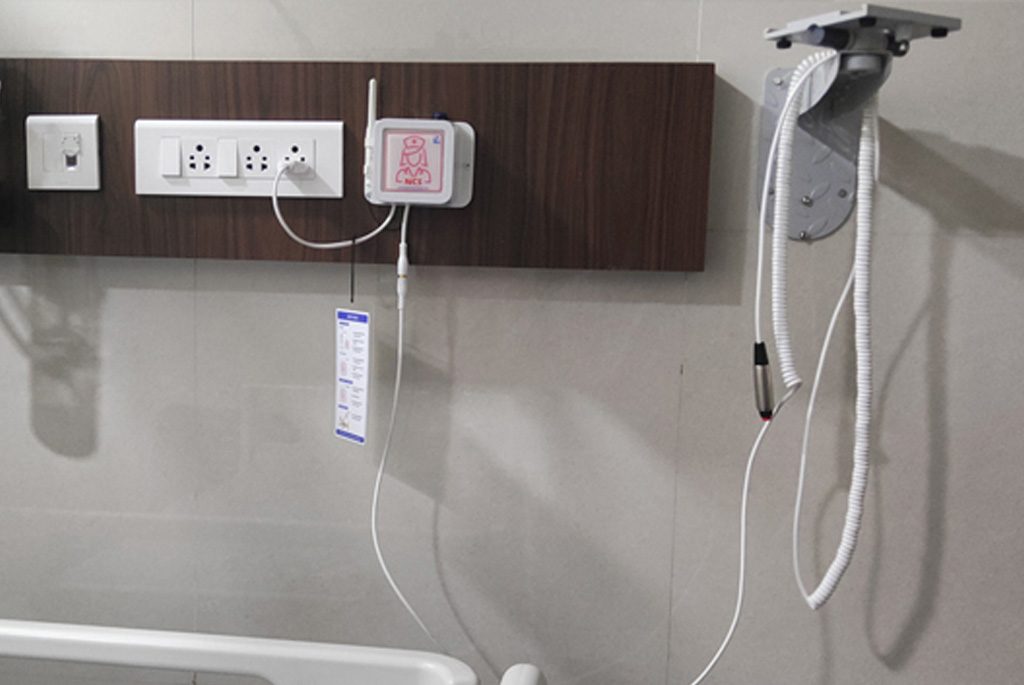
NCS (Nurse Call System)
Enable patients and guardians to request help instantly. Nurses can respond faster, improving child safety and satisfaction.
Digital Signage Integration
Display live token updates, hospital announcements, vaccination schedules, or emergency alerts on digital screens—keeping patients informed and reducing confusion.
Revenue Optimization
Accurate billing, minimized insurance claim rejections, and reduced wastage = higher profitability.
Your hospital deserves more than a “one-size-fits-all” solution
👉 Invest in a Specialized HMS for Paediatrics and transform how you deliver care, manage operations, and grow your hospital.
📞 Book a free consultation today.
FAQ
1: Why is Paediatric Hospital Management Software better than a generic HMS?
Generic HMS lacks paediatric-specific workflows. A specialized HMS includes growth charts, child-safe EMR templates, immunization modules, and systems like NCS and digital signage—designed specifically for children’s hospitals.
2: What departments benefit the most from a Paediatric HMS?
All departments—OP, IP, lab, pharmacy, and nursing staff—benefit. For example, OP sees shorter queues with tokens, IP gets accurate discharge summaries, labs process results faster, and pharmacy reduces dispensing errors.
3: How does Specialized Hospital Management Systems (HMS) for Paediatry impact hospital revenue?
By streamlining operations, reducing manual work, and minimizing billing/insurance errors, HMS improves efficiency and helps hospitals recover costs quickly—often within the first year of implementation.